Priory Gardens wedding flowers supplier guide Orpington
Posted on 18/10/2026
If you are planning a wedding at Priory Gardens, flowers can make the whole day feel calm, elegant, and unmistakably yours. This Priory Gardens wedding flowers supplier guide Orpington is here to help you choose arrangements that suit the venue, the season, and the practical realities of getting everything in place on time. Because let's face it, wedding flowers are not just about looking pretty in photos. They need to work with the space, the light, the schedule, and the people carrying them across the room.
In the pages below, you will find a clear, grounded guide to choosing the right florist, planning your bouquet and venue flowers, avoiding common mistakes, and understanding what to ask before you book. If you are comparing options, you may also want to look at wedding flowers in Orpington alongside the specific needs of Priory Gardens, because venue style matters more than many couples realise.
Truth be told, the best wedding flowers are rarely the flashiest. They are the ones that arrive fresh, suit the setting, and still look beautiful at the end of the day when the room has filled with guests, laughter, and a bit of movement. That is the standard worth aiming for.
Key takeaway: choose a florist who understands Priory Gardens as a wedding setting, asks sensible questions about timing and access, and can shape a floral plan around your budget rather than forcing you into a fixed package that does not fit.
- Why Priory Gardens wedding flowers supplier guide Orpington matters
- How the process works
- Key benefits and practical advantages
- Who this guide is for
- Step-by-step guidance
- Expert tips for better results
- Common mistakes to avoid
- Tools, resources and recommendations
- Law, compliance, standards, or best practice
- Options, methods, or comparison table
- Case study or real-world example
- Practical checklist
- Conclusion
- Frequently asked questions
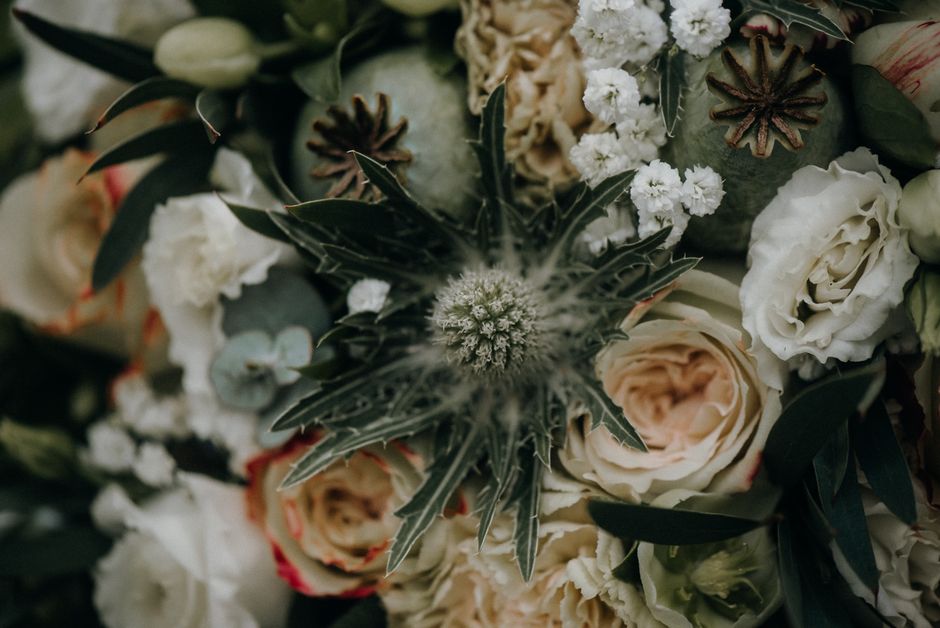
Why Priory Gardens wedding flowers supplier guide Orpington Matters
A venue-specific flowers guide matters because wedding floristry is never truly one-size-fits-all. Priory Gardens has its own character, and that means the flowers should feel like they belong there rather than arriving from a completely different wedding world. A supplier who understands that can help you avoid arrangements that look lovely in isolation but feel a bit off in the room. It happens more often than people think.
Orpington couples often want flowers that feel polished but not overdone. They may be balancing ceremony styling, reception decor, buttonholes, bouquets, and a realistic budget. A clear guide helps you prioritise what matters most. Do you want the bride's bouquet to be the hero? Do you want table arrangements to carry the room? Or are you aiming for a soft, all-round look that photographs beautifully from every angle?
That question changes everything. A good florist should help you answer it early, because the flower budget goes much further when it is focused.
Priory Gardens itself also creates practical expectations. Venue size, lighting, table layout, access times, and the speed of setup all affect what works well. A florist who knows how to plan for a local wedding can make sensible recommendations about sturdy stems, reliable delivery timing, and arrangements that can be transferred smoothly from ceremony to reception without fuss.
And yes, the weather matters too. British weather being British weather, you want blooms that can handle a warm room, a cool church-style setting, or a last-minute change in the forecast. A florist who plans for that is worth their weight in roses.
How Priory Gardens wedding flowers supplier guide Orpington Works
The process starts with your wedding style, not with a vase. That is the part couples sometimes miss. A supplier guide is really a planning framework: it helps you move from vague inspiration to a workable flower plan for Priory Gardens.
Usually the process looks something like this:
- Define the look. Decide whether you want classic romance, garden-inspired softness, modern minimalism, or something bolder.
- List the flower moments. Think about bridal bouquet, bridesmaid bouquets, buttonholes, ceremony flowers, table arrangements, and any extras.
- Match the venue. Consider room proportions, colours, and where guests will actually see the flowers.
- Choose seasonally sensible blooms. Seasonal flowers tend to be fresher, easier to source, and often better value.
- Confirm logistics. Delivery time, setup access, and collection details should all be clear before the day.
- Approve the final design. The florist should confirm stem choices and overall style so there are no surprises.
For couples who want a more structured approach, ready-made wedding collections can be useful starting points. For example, browsing wedding collections or specific bouquet styles can help you see how colour, scale, and texture work together before you commit to a bespoke brief.
The guide works best when you treat it as a decision tool. You do not need to know every flower by name. You do need to know what matters to you: a statement bouquet, long-lasting table flowers, easy transport, or a cohesive look across the whole day. Simple enough, really. But people often overcomplicate it.
Key Benefits and Practical Advantages
The biggest benefit of using a proper supplier guide is confidence. Wedding planning can feel like a hundred small decisions stacked on top of each other, and flowers are one of those areas where a bit of clarity saves time and stress.
Here are the practical advantages:
- Better budget control. You can spend more on the pieces that guests actually notice.
- Cleaner visual planning. Colours, shapes, and stems are chosen to suit the room, not just a Pinterest board.
- Fewer last-minute problems. Logistics are thought through early, which reduces panic on the morning.
- More consistent styling. Bouquets, buttonholes, and table flowers all feel connected.
- Higher freshness and better presentation. A local florist with wedding experience can time delivery well.
- Less wasted spending. You avoid ordering pieces that are too large, too delicate, or not needed at all.
There is also a quieter benefit that is easy to overlook: emotional calm. Flowers affect the atmosphere more than people expect. You walk into a room and immediately feel whether it is soft, elegant, intimate, or rushed. The right floral plan gives the whole day a settled feeling. That matters.
If you want flowers delivered elsewhere as part of your wedding week planning, it can also help to understand the florist's wider delivery approach, for example through delivery information. A reliable delivery process is part of the service, not an afterthought.
Who This Is For and When It Makes Sense
This guide is useful if you are:
- getting married at Priory Gardens and want the flowers to suit the venue properly
- working with a modest budget but still want the day to feel polished
- planning a small wedding and need only a handful of key pieces
- organising a larger celebration with multiple floral touchpoints
- helping a couple choose between bespoke floristry and set wedding collections
- trying to keep everything local, efficient, and easy to deliver
It also makes sense if you are the sort of person who wants practical reassurance. Some couples love the creative side and already know the mood they want. Others just know they do not want anything too fussy. Both approaches are fine. The point is to match the flowers to the people, not to the trend.
A Priory Gardens wedding flowers supplier guide in Orpington is especially useful when timing is tight. If you are planning quickly, or if the date falls during a busy season, you need to know which choices are safe, which are seasonal, and which designs may take more lead time.
And if you are comparing flower shops more broadly, it can help to look at the overall service style of a local Orpington florist rather than focusing only on the prettiest bouquet image. The service behind the flowers matters just as much.
Step-by-Step Guidance
1. Start with the venue, then the flowers
Look at Priory Gardens and think about what the space asks for. Is it airy and light, or more intimate? Are tables close together? Will the flowers need to be seen from a distance? A tall centrepiece in one room can feel luxurious; in another it might just block conversation. That kind of thing.
2. Decide your non-negotiables
There are usually a few flower elements that matter most. For some couples it is the bridal bouquet. For others it is the ceremony arrangement or the table styling. Identify those first, then build the rest around them.
3. Choose a style language
Use simple words such as romantic, seasonal, clean, lush, modern, soft, or colourful. Florists do not need a novel. They need a clear brief. If you like white and green, say so. If you want brighter accents, say that too.
4. Check flower availability for your month
Seasonality affects quality, colour, and cost. A florist can suggest flowers that give the right look without forcing out-of-season stems into the plan. That is usually where the best value sits.
5. Confirm the practical pieces
Ask how the flowers will be delivered, where they will be placed, whether vases or holders are included, and who is responsible for moving arrangements between spaces if needed. These tiny details save headaches later.
6. Review and approve the final plan
Before the wedding, make sure the final brief is clear: sizes, colours, numbers of each item, and any substitutions if a stem is unavailable. A bit of clarity goes a long way here.
For example, a couple might begin wanting "lots of white flowers" and end up with a smarter plan: white roses for the bouquet, a softer mix for the table pieces, and subtle greenery to stop everything looking flat. That is the kind of refinement a good supplier guide helps you reach.
Expert Tips for Better Results
After working around wedding floristry long enough, a few patterns become obvious. The couples who are happiest usually make calm, specific decisions early. They do not try to make every flower do every job.
Tip 1: Put your biggest budget into the most photographed piece. Usually that is the bridal bouquet or the ceremony flowers. If the venue is simple, a strong bouquet can carry the whole visual story.
Tip 2: Choose colour families, not just individual blooms. "Soft blush and ivory" is easier to work with than a random list of favourite flowers. It keeps the result cohesive.
Tip 3: Ask what will travel well. Some flowers are naturally sturdier than others. If arrangements need to move from one location to another, durability matters more than people expect.
Tip 4: Be honest about the style of the day. If the wedding is relaxed and intimate, a heavily structured design may feel too formal. Conversely, a more dressed-up venue may need something with presence.
Tip 5: Think about what guests will see in photographs. Tables, ceremony backdrops, and bouquet shape all show up differently on camera. Not every beautiful arrangement reads the same way in pictures.
Tip 6: Keep one wild card under control. If you want a bold colour or unusual flower, use it as an accent rather than letting it dominate everything. That is often the sweet spot.
A small, useful truth: flowers do not need to be enormous to feel luxurious. They just need to be well edited. A beautifully balanced bouquet often feels more expensive than a larger one that has no shape at all. Funny how that works.
Common Mistakes to Avoid
Most flower mistakes are not dramatic. They are small planning errors that snowball. The good news is they are easy to avoid once you know what to watch for.
- Booking too late. Wedding florists get busy, especially in peak months.
- Choosing only by photos. A photo may not show scale, freshness, or how the design fits the venue.
- Ignoring delivery timing. Flowers are living products. Timing is part of the design.
- Overloading the budget with too many items. A few strong pieces are often better than lots of weak ones.
- Forgetting about setup access. If the florist cannot reach the space easily, the whole schedule becomes tighter.
- Mixing too many styles. Rustic, glamorous, and minimal can all be lovely, but together they can look muddled.
- Not asking about substitutions. Seasonal availability changes, so this conversation should happen early.
One of the most common slip-ups is assuming every arrangement needs to be the same size or level of detail. It does not. Good design uses hierarchy. The bouquet leads, the supporting pieces follow, and the room feels balanced. Simple, but easy to miss when you are deep in wedding planning mode.
Tools, Resources and Recommendations
You do not need a mountain of tools to plan wedding flowers well. You need a few practical resources and a clear head.
Useful things to prepare before speaking to a florist:
- your wedding date and ceremony time
- the venue name and any known access details
- a rough guest count
- photos of your dress, suit, or overall style if available
- colour swatches or examples of the palette you like
- a list of must-have floral items and nice-to-have extras
Helpful product pages to browse:
- bridal bouquet styles
- bridesmaid bouquet ideas
- buttonhole options
- table arrangement ideas
- wedding corsages
It can also help to review care and handling guidance before the big day. A florist's flower care advice is especially useful if you are collecting some items ahead of time or want the blooms to hold up beautifully through the morning.
If you are still unsure about style, seasonal collections can be a good bridge between inspiration and practicality. They often show what combinations work well in real life, not just on a mood board. That is worth quite a lot, frankly.
Law, Compliance, Standards, or Best Practice
Wedding floristry is not usually a heavily regulated service in the way some industries are, but there are still important standards and best practices that matter. A trustworthy supplier should be clear about pricing, payment terms, delivery arrangements, cancellations, and what happens if flowers need to be substituted due to availability.
In the UK, it is sensible for businesses to keep their terms, refund approach, and privacy handling transparent. For customers, the main practical point is this: read the service terms before you pay a deposit. That way you know what is included, what is not, and how changes are handled if your plans shift. Weddings can be wonderfully organised and a bit chaotic at the same time.
Other good practice points include:
- clear written confirmation of the floral order
- agreement on delivery location and access windows
- discussion of substitution policy for seasonal flowers
- careful handling of personal data during enquiries and orders
- safe delivery and installation around guests, staff, and venue equipment
If sustainability matters to you, ask how the florist sources flowers, handles packaging, and manages waste. Many couples care about this now, and rightly so. You do not need a perfect zero-waste wedding. But you can make thoughtful choices.
For general trust signals, it is also sensible to review website policies such as terms and conditions, privacy policy, and returns and refund information. Those pages are boring in the best possible way. They tell you the business takes the practical side seriously.
Options, Methods, or Comparison Table
There are a few common ways to approach Priory Gardens wedding flowers, and the best choice depends on your budget, time, and how much customisation you want.
| Approach | Best for | Strengths | Limitations |
|---|---|---|---|
| Bespoke floristry | Couples who want a fully personal look | Most flexible, tailored to venue and colour palette | Needs more planning time and usually costs more |
| Pre-designed wedding collection | Couples who want clarity and less decision fatigue | Faster to choose, easier to visualise, often more predictable | Less room for deep customisation |
| Mixed approach | Couples balancing budget with style | Lets you customise focal pieces and simplify the rest | Requires careful coordination to keep the look consistent |
A mixed approach often works beautifully at Priory Gardens. You might choose a standout bridal bouquet, coordinated bridesmaid flowers, and simpler table arrangements. That gives you visual impact where it counts without making every item a headline act.
If you are price-sensitive, browsing budget-friendly flower options can help you understand where savings are possible without compromising the day's feel. Cheap does not have to mean basic; it just needs to be chosen with care.
Case Study or Real-World Example
Here is a realistic example. A couple planning a spring wedding at Priory Gardens wanted a soft, romantic feel without overcommitting their budget. They began with a long list: oversized centrepieces, mixed pastel stems, extra ceremony flowers, aisle decor, and personalised touches for the bridal party. Nice ideas, but too many at once.
After reviewing the venue layout and thinking about what guests would actually notice, they narrowed the plan. The bridal bouquet became the main focal point, with matching bridesmaid bouquets, simple buttonholes, and a small number of table arrangements placed where guests would gather most. They also chose flowers that felt seasonal and workable rather than chasing difficult stems that might have needed special sourcing.
The result was a calmer plan and a better-looking room. The flowers felt intentional rather than crowded. The couple still had colour, texture, and romance, but the overall effect was lighter and more elegant. You could walk in and feel it straight away.
That is often what happens when planning is done well. The flowers stop competing for attention and start supporting the day. A bit of breathing room can be the difference between "lovely" and "really beautiful."
Practical Checklist
Use this checklist before you confirm your wedding flowers for Priory Gardens:
- Have you shared the wedding date, time, and venue details?
- Have you decided your colour palette and overall style?
- Do you know which floral items are essential?
- Have you asked what is seasonal for your wedding month?
- Do you understand delivery, setup, and collection arrangements?
- Have you confirmed whether vases, holders, or ribbon finishes are included?
- Have you checked what happens if a stem must be substituted?
- Have you reviewed the final quantities and sizes?
- Have you confirmed payment and cancellation terms?
- Have you thought about care for bouquets on the morning of the wedding?
If you can tick those off, you are in good shape. Not perfect, perhaps. But properly prepared, which is what matters.
Conclusion
A Priory Gardens wedding flowers supplier guide in Orpington is really about making the floral side of your day simpler, calmer, and more beautiful. The right supplier helps you choose flowers that suit the venue, match the mood of the wedding, and fit the practical rhythm of the day. That combination is where the best results live.
When you focus on the venue, the season, the budget, and the handful of pieces that matter most, the whole process becomes easier. You will also feel more confident when the wedding morning arrives, which is no small thing. Flowers should add pleasure, not pressure.
If you are still refining your ideas, take a look at local wedding options and compare the styles that feel most natural to you. The best choice is usually the one that makes you feel at ease the moment you see it.
Get a free quote today and see how much you can save.
And if all you do next is choose one bouquet that makes you smile, that is a very good start.
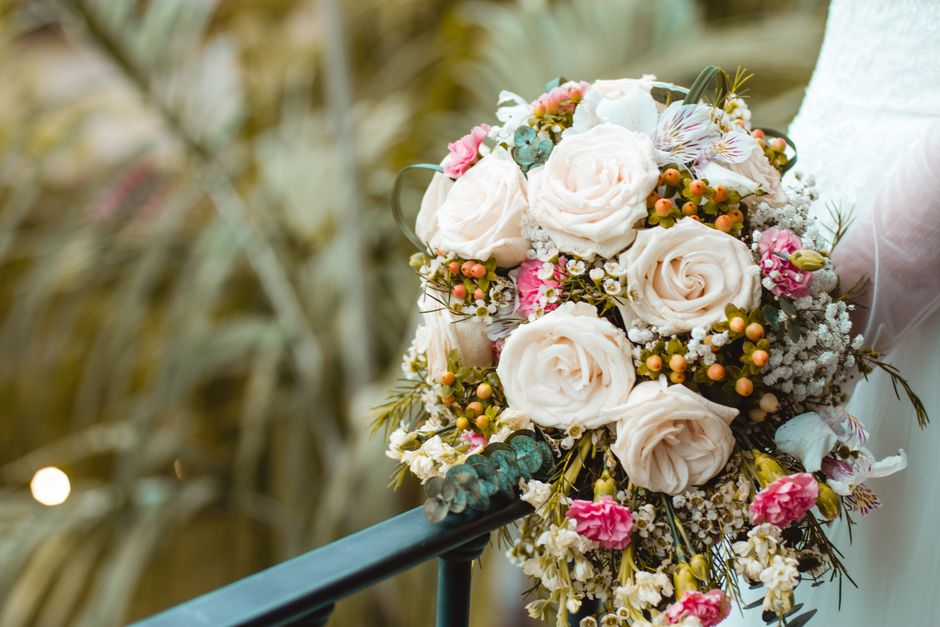
Frequently Asked Questions
What should I ask a Priory Gardens wedding flowers supplier in Orpington before booking?
Ask about availability, delivery timing, setup access, substitution policy, payment terms, and whether they have worked with wedding venues like Priory Gardens before. You want practical answers, not just pretty mood-board talk.
How far in advance should I book wedding flowers for Priory Gardens?
As early as you can, especially for peak wedding months. The best florists get booked up, and last-minute planning usually narrows your options. If your date is soon, ask what can still be arranged sensibly.
What flowers work best for a Priory Gardens wedding?
That depends on the season, your colour palette, and the style of the venue on the day. Seasonal roses, lisianthus, orchids, hydrangeas, and mixed greenery are common choices because they can be styled in many directions.
Can I keep wedding flowers within a tight budget and still look elegant?
Yes. Focus spending on the bouquet and a few key focal pieces, then keep supporting arrangements simpler. A florist who understands budget planning can make a smaller order look polished rather than sparse.
Should I choose bespoke flowers or a wedding collection?
If you want full control, bespoke is the better fit. If you want less decision fatigue and clearer pricing, a wedding collection can be very practical. A mixed approach often gives the best balance.
Do I need venue flowers if I already have a nice bridal bouquet?
Not always, but the room may feel a little unfinished without something for the tables or ceremony area. Even a few well-placed arrangements can connect the bouquet to the wider setting.
How do I make sure the flowers suit Priory Gardens specifically?
Share venue photos, describe the room size and layout if you know it, and talk through where the flowers will be seen most. A florist can then scale the arrangements properly instead of guessing.
What happens if a flower I want is out of season?
A good florist should suggest a seasonal substitute with a similar shape, colour, or feeling. That is usually the smartest route anyway, because it tends to improve freshness and reliability.
Can wedding flowers be delivered on the same day in Orpington?
Often yes, if the florist has the time and capacity. Same-day delivery is more realistic for smaller or simpler orders, but wedding work usually needs more careful scheduling than standard bouquet delivery.
How should I compare different wedding flower suppliers?
Compare style, responsiveness, clarity of pricing, delivery terms, and how well they understand your venue. The cheapest quote is not always the best fit, especially when timing and presentation matter.
What are the most common wedding flower mistakes?
The biggest ones are booking too late, choosing without thinking about the venue, overstuffing the plan with too many items, and not confirming logistics. Those are easy to avoid once you slow down and ask the right questions.
Do I need to worry about flower care on the wedding morning?
Yes, a little. Keep bouquets cool, handle them gently, and follow the florist's care advice. Even beautiful flowers can look tired if they are left in heat, direct sun, or a busy kitchen for too long.
How can I tell if a florist is reliable?
Look for clear communication, transparent terms, and sensible questions about your date, venue, and timing. A reliable florist tends to make the process easier, not more confusing. That is a good sign every time.
Is it worth choosing local Orpington delivery for wedding flowers?
Usually, yes. Local knowledge can make a real difference to delivery timing, route planning, and the general ease of setup. For a wedding, those small practical wins matter more than people expect.